
Gum disease is a progressive inflammatory condition that affects the gums, bone, and supporting structures around the teeth. It can begin with mild bleeding or swelling, but when left untreated, it may lead to deep periodontal pockets, gum recession, bone loss, tooth mobility, and eventual tooth loss.
At New York Periodontics, gum disease is treated with a precise, prevention-focused, and biologically informed approach. Our goal is to diagnose the condition early, control bacteria and inflammation, preserve natural teeth whenever possible, and create a stable oral environment that can be maintained over time.
Gum and osseous surgery, also known as pocket reduction surgery, is a periodontal procedure used to treat moderate to advanced gum disease when deep periodontal pockets remain after non-surgical therapy.
When bacteria and calculus accumulate below the gumline, the supporting bone around the teeth can become damaged. As bone is lost, deeper pockets form between the gum and tooth, making the area difficult or impossible to clean with routine brushing, flossing, or standard dental cleanings.
During osseous surgery, the gum tissue is gently lifted to allow direct access to the roots and bone. The roots are carefully cleaned, infected tissue is removed, and the bone may be reshaped to create a healthier contour.
The gum tissue is then repositioned to reduce pocket depth and create an environment that is easier for the patient and hygienist to maintain. In selected cases, osseous surgery may be combined with bone grafting, membranes, guided tissue regeneration, PRF, PDGF, EMD, or other biologic regenerative materials.
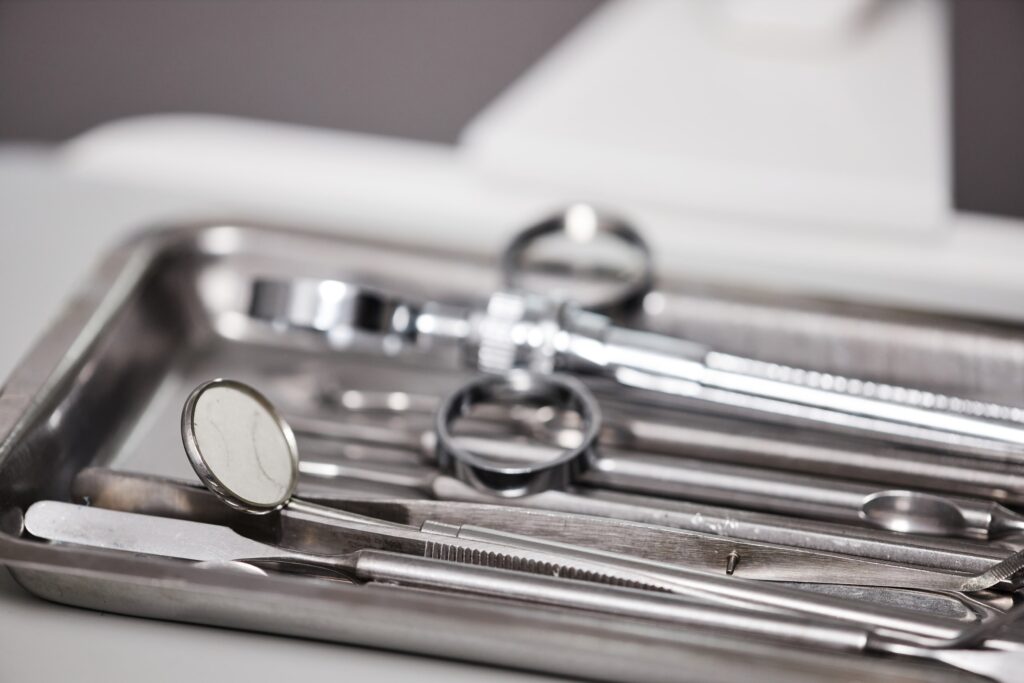
Gum and osseous surgery helps eliminate areas where bacteria hide, reduce inflammation, improve access for cleaning, and support long-term tooth stability. The goal is not only to treat active disease, but to make the area more maintainable for years to come.
Gingivitis and periodontitis are two different stages of gum disease. Gingivitis is inflammation of the gum tissue, usually caused by plaque and bacteria along the gumline. It does not involve permanent bone loss and may often be reversed when treated early.
Periodontitis is a more advanced form of gum disease. It occurs when inflammation spreads below the gumline and begins to destroy the supporting structures around the teeth, including the periodontal ligament and jawbone.
Diagnosis begins with a detailed periodontal evaluation. The periodontist and hygiene team assess bleeding, inflammation, plaque and calculus buildup, pocket depths, gum recession, bone levels, tooth mobility, bite changes, and individual risk factors.
Because gum disease can progress silently, regular hygiene visits and periodontal monitoring are essential. Early detection allows the team to intervene before inflammation becomes more destructive.
Understanding the difference between gingivitis and periodontitis helps patients receive the right care at the right time. Early diagnosis can prevent disease progression, protect the bone, preserve natural teeth, and reduce the risk of future complications.
Scaling and root planing, often called a deep cleaning, is a non-surgical periodontal treatment used to remove plaque, calculus, and bacteria from below the gumline. It is commonly recommended for patients with early to moderate gum disease, bleeding gums, inflammation, periodontal pockets, or calculus beneath the gums.
Laser therapy may be used as an adjunct to scaling and root planing. It does not replace proper diagnosis or meticulous cleaning, but it can support bacterial reduction, pocket disinfection, soft tissue management, inflammation control, and healing.
The teeth and root surfaces are carefully cleaned below the gumline to remove bacteria and hardened deposits. The root surfaces are then smoothed to help the gum tissue heal and tighten around the teeth.
When appropriate, dental lasers may be used to target inflamed tissue, reduce bacterial contamination, disinfect periodontal pockets, and support the body’s natural healing response. After treatment, the gum tissue is re-evaluated to determine whether the disease has stabilized or whether additional care is needed.
Laser-assisted scaling and root planing can help control periodontal disease in a conservative way. For many patients, it is the first and most important step toward reducing inflammation, stabilizing the gums, and avoiding or delaying surgery.
Periodontal maintenance is a specialized, prevention-focused program for patients with a history of gum disease, bone loss, gum recession, periodontal surgery, implants, or complex dental treatment. It is not the same as a routine dental cleaning.
Because periodontal disease is a chronic condition, bacteria can return even after successful treatment. Without proper maintenance, inflammation may recur, pockets can deepen, bone loss may progress, and teeth or implants may become compromised.
During periodontal maintenance visits, the hygiene team removes plaque and calculus, evaluates gum inflammation, measures pocket depths, monitors bleeding, assesses recession and bone stability, checks implant health, reviews home care, and alerts the doctor if disease activity is detected.
The maintenance schedule is customized to each patient. Many patients with periodontal disease require visits every three to four months, while others may need a different interval based on their risk factors, medical history, and treatment history.
Periodontal maintenance helps protect the results of previous treatment and reduce the risk of relapse. It supports early diagnosis, implant protection, inflammation control, systemic health awareness, and long-term periodontal stability.
At New York Periodontics, gum disease treatment is never limited to a single procedure. The ideal approach depends on the stage of disease, pocket depth, bone loss pattern, inflammation level, systemic risk factors, home care, and previous treatment history.
With early diagnosis, conservative therapy, surgical expertise when needed, and customized periodontal maintenance, gum disease can be controlled more predictably. Our goal is to preserve natural teeth, protect implants, reduce inflammation, and support a healthier oral environment for life.