
Dental implants can restore missing teeth with strength, function, and natural-looking esthetics. However, successful implant treatment depends on much more than placing an implant. It requires proper diagnosis, healthy bone and gum tissue, careful material selection, precise surgical planning, and long-term maintenance.
At New York Periodontics, implant dentistry is approached with a biologically informed and highly individualized philosophy. From choosing between zirconia and titanium implants to rebuilding bone, managing implant complications, treating peri-implantitis, performing sinus augmentation, or removing failed implants, every step is planned to protect oral health and improve long-term predictability.
Zirconia and titanium are two advanced materials used for dental implants. Titanium implants have been used for decades and are known for their strength, durability, biocompatibility, and extensive long-term research. Zirconia implants are a metal-free ceramic alternative that may be preferred by patients seeking a highly esthetic or biologically oriented option.
The choice between zirconia and titanium depends on the patient’s anatomy, bone quality, gum tissue thickness, esthetic goals, bite forces, medical history, implant position, and personal preferences. Titanium may be ideal for complex cases requiring maximum strength and restorative flexibility, while zirconia may be selected for patients who prefer a ceramic, metal-free material, especially in highly visible areas.
Choosing the right implant material can improve esthetics, function, tissue compatibility, treatment predictability, and long-term stability. At New York Periodontics, implant material selection is always individualized rather than based on a one-size-fits-all approach.
Guided Bone Regeneration, commonly known as GBR, is a surgical technique used to rebuild lost or deficient bone. It may be needed before or during dental implant treatment when the jawbone is too thin, too short, irregularly shaped, or unable to support an implant in the ideal position.
During GBR, bone grafting material is placed in the area where bone is missing or compromised. A membrane is often used to protect the graft and guide the healing process, allowing bone-forming cells the time and space needed to regenerate. Depending on the case, GBR may involve autogenous bone, allograft bone, xenograft bone, synthetic materials, biologics, collagen membranes, or other regenerative adjuncts.
Guided Bone Regeneration helps create the bone volume needed for stable, properly positioned dental implants. It can improve implant support, esthetics, cleansability, soft tissue stability, and overall treatment predictability.
Management begins with a careful review of the patient’s medical history, medications, dental needs, bone health, and surgical risk. Patients who take these medications may require special planning before extractions, implant treatment, periodontal surgery, bone grafting, or other invasive dental procedures. Treatment may involve prevention, monitoring, infection control, conservative management, surgical care when appropriate, and coordination with the patient’s medical team.
Proper MRONJ evaluation helps reduce surgical risk, protect jawbone health, prevent complications when possible, and support safer decision-making for patients with complex medical histories.
Peri-implantitis is an inflammatory condition that affects the tissue and bone around a dental implant. It may begin with bleeding, swelling, deeper pockets, or inflammation around the implant and can progress to bone loss if not properly diagnosed and treated.
Treatment begins with a detailed evaluation of the implant, surrounding gum tissue, bone levels, bite forces, hygiene access, prosthetic design, and bacterial contamination. Depending on the severity, treatment may include deep decontamination, laser therapy, surface detoxification, surgical access, bone regeneration, soft tissue management, implant maintenance, or, in advanced cases, implant removal.
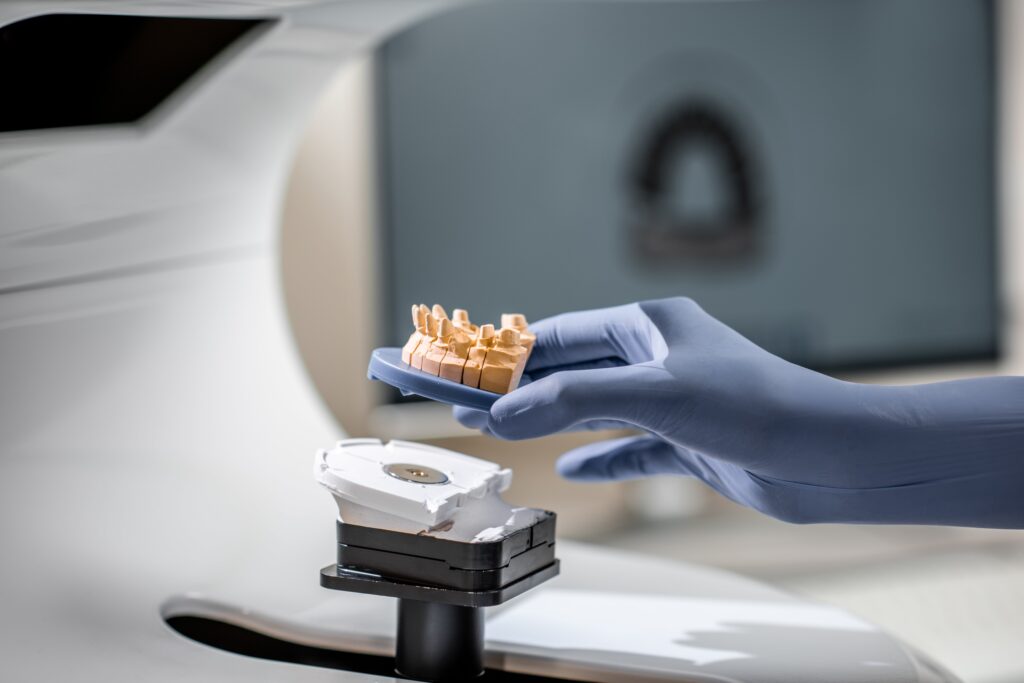
Early diagnosis and treatment of peri-implantitis can help control inflammation, reduce bacterial contamination, protect remaining bone, preserve the implant when possible, and prevent further complications.
Sinus augmentation, also known as a sinus lift, is a bone grafting procedure used when there is not enough bone height in the upper back jaw to support dental implants. This often occurs because of tooth loss, natural anatomy, sinus expansion, bone shrinkage, or previous infection.
The sinus membrane is carefully lifted, and bone grafting material is placed beneath it to create additional bone volume in the upper jaw. Depending on the amount of existing bone and the treatment plan, implants may be placed at the same time or after the graft has healed.

Sinus augmentation can make implant treatment possible in areas that previously lacked enough bone. It helps create a stronger foundation for implants, improves treatment planning, and supports long-term stability in the upper back jaw.
Dental implant removal may be necessary when an implant is failing, infected, poorly positioned, fractured, mobile, painful, or associated with severe bone loss or peri-implantitis. In some cases, removal is the healthiest option to protect the surrounding bone, gum tissue, and future treatment possibilities.
Implant removal is carefully planned to minimize damage to the surrounding bone and soft tissue. The area is evaluated with imaging, clinical examination, and a review of the implant’s position and condition. When appropriate, bone grafting, socket regeneration, soft tissue repair, or staged reconstruction may be performed to prepare the area for future implant replacement or other restorative options.
Removing a compromised implant can help eliminate infection, preserve remaining bone, reduce inflammation, relieve discomfort, and create a healthier foundation for future treatment.
At New York Periodontics, dental implant care is not limited to implant placement alone. It includes diagnosis, material selection, bone regeneration, soft tissue management, complication treatment, and long-term maintenance.
Whether a patient needs a new implant, a ceramic or titanium option, bone reconstruction, sinus augmentation, peri-implantitis treatment, or implant removal, our approach is designed to protect health, restore function, and support the most stable outcome possible.